
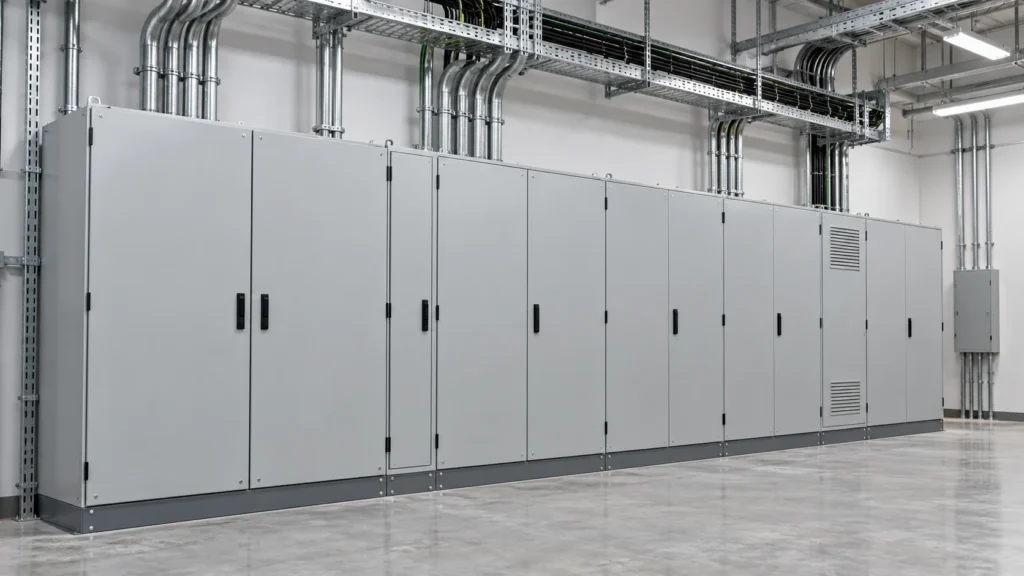
When a standard cabinet does not fit the equipment, layout or site conditions, a custom enclosure can make the installation easier to plan and maintain. The right approach starts with the project requirements not with a catalogue size.
Electrical panel fabrication can mean different things to different project teams. Sometimes the requirement is a fabricated enclosure with cut-outs and mounting provisions. In other projects, it includes a complete panel assembly with electrical components. Confirm the required scope at the beginning so the drawing, quotation and inspection plan all describe the same deliverable.
What is custom electrical panel fabrication?
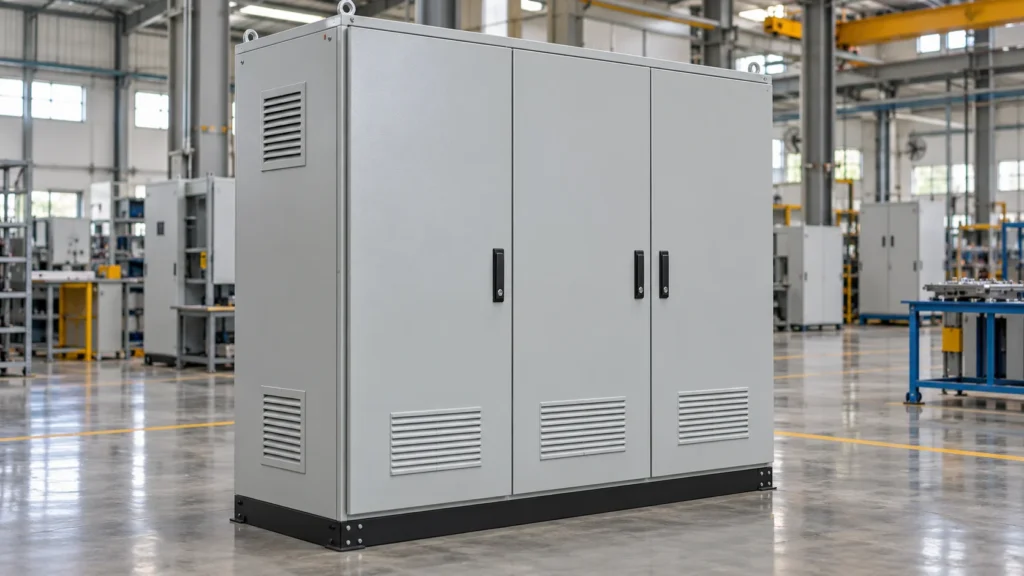
Custom fabrication adapts an enclosure to the space, equipment and operating environment of a particular project. It may involve selecting the cabinet dimensions, sheet material, door arrangement, mounting plate, cable-entry locations, ventilation and surface finish. The exact work depends on the approved drawings and the supplier’s agreed scope.
A custom electrical panel is not automatically a complete, wired control panel. Ask whether the quotation covers only the enclosure, or also component supply, internal wiring, testing, documentation and commissioning support. Getting this distinction in writing prevents scope gaps later.
1. Start with the application and site conditions
Before requesting a quote, gather the details that affect how the enclosure will be built and used:
- What equipment will be mounted inside, and what are its dimensions and clearances?
- Will the cabinet be installed indoors or outdoors?
- Will it face dust, moisture, washdown, heat, vibration, chemicals or corrosive air?
- Where will cables enter, and how should they be routed?
- Does the cabinet need to be wall-mounted, floor-standing or integrated with other panels?
- Are there access, operating or maintenance clearances to preserve?
Share the site conditions honestly. A cabinet for a clean control room may need a different design from one installed near a process line or outdoors. If the environment is uncertain, flag it for review instead of guessing at an enclosure rating.
2. Choose materials and finishes for the environment
Material selection should balance the environment, required strength, corrosion exposure, fabrication details and project budget. Anubhav Techno Solutions lists CRCA, GI, stainless steel and aluminium among its enclosure material options. The suitable choice depends on the actual application and should be confirmed against the project specification.
Surface treatment matters too. A powder-coated finish may suit many indoor applications, while a corrosive or outdoor environment may call for a different material or protection approach. Ask the fabricator to state the proposed material thickness, finish and any assumptions in the quotation. Also confirm how edges, joints and cut-outs will be protected from corrosion.
3. Review the drawing before fabrication
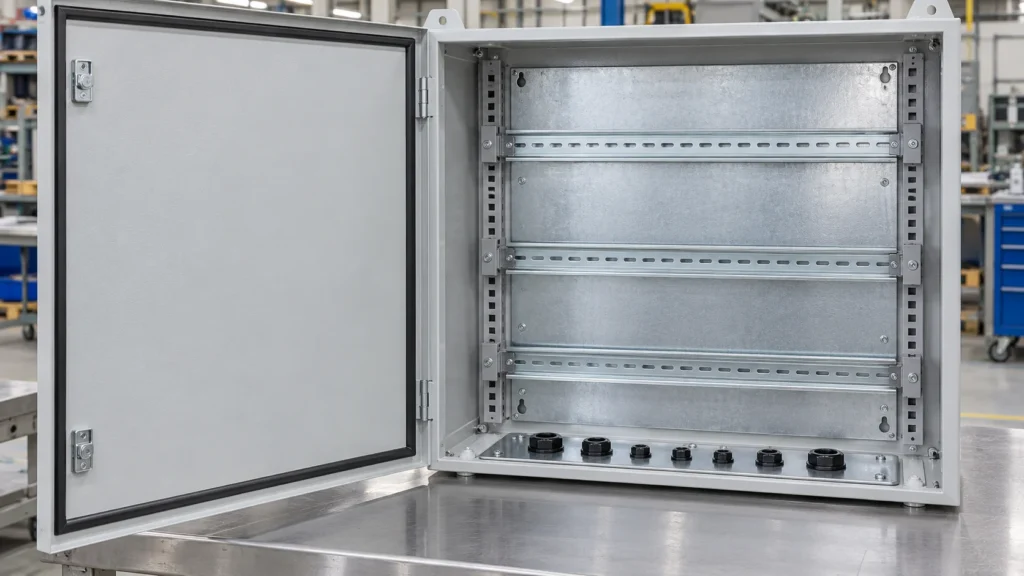
A clear drawing helps everyone check that the custom electrical panel will fit the site and support the intended equipment. It should show overall dimensions, door swing, mounting method, cut-outs, cable entry, gland plate, internal mounting space and any ventilation features. Include the required clearances around components and the route for incoming and outgoing cables.
Where the panel interfaces with other equipment, identify those connections early. Confirm the installation location, access direction and any limitations on transport or movement into the building. A design review before cutting and bending sheet metal is far less disruptive than changing a finished cabinet.
For projects that include electrical assembly, the electrical design and fabrication drawings should be reviewed by qualified personnel. Confirm who is responsible for component selection, wiring diagrams, protection coordination, inspection and final testing. These tasks should not be assumed to be included simply because a supplier fabricates the enclosure.
4. Understand the fabrication and quality checks
Typical enclosure fabrication can include CNC cutting, bending, welding, surface preparation and powder coating. Anubhav’s enclosure page describes these capabilities, along with options such as ventilation, cable management, locking and earthing arrangements. Which checks apply will depend on the design and agreed scope.
At a minimum, ask how the supplier will confirm dimensions, cut-outs, door alignment, hinges, locks, mounting provisions and finish quality. If the enclosure needs a specified ingress protection rating, ask what evidence or verification will be provided for the final configuration. Cut-outs, cable glands, vents and accessories can affect protection, so review them as part of the complete design.
For an assembled low-voltage power switchgear and controlgear panel, IEC 61439-2 may be relevant; the standard covers power switchgear and controlgear assemblies within its stated scope. It does not mean that every fabricated enclosure is certified to that standard. Confirm the applicable requirements with the project’s electrical engineer and request the supplier’s supporting documentation for the specific assembly.
5. What to send when requesting a quote
A well-prepared enquiry helps the fabricator assess the work accurately. Include:
- Approved drawings or a dimensioned sketch
- Equipment list and mounting requirements
- Material, thickness and finish requirements, if specified
- Indoor or outdoor location and known environmental conditions
- Required enclosure protection rating, if specified
- Quantity, delivery location and target schedule
- Whether you need an enclosure only or a complete assembled panel
- Inspection, test, document and labelling requirements
If some details are not finalized, mark them as pending. The supplier can then identify what must be confirmed before production rather than making hidden assumptions.
Why work with Anubhav Techno Solutions?
Anubhav Techno Solutions offers fabricated electrical and data enclosures in wall-mounted, floor-mounted, junction-box and customized formats. Its product information lists CRCA, GI, stainless steel and aluminium options, and describes CNC cutting, bending, welding and powder coating. The company also notes features such as ventilation, cable management, locking and earthing arrangements. Ask the team to confirm which options fit your drawings and project requirements.
For projects that need a tailored enclosure, a useful first step is to share the layout, environment and scope with the supplier. That gives both sides a basis to review dimensions, materials and fabrication details before production starts.
Frequently asked questions
What information is needed for custom panel fabrication?
Provide dimensions or drawings, equipment and mounting details, site conditions, material and finish requirements, cable-entry positions, quantity and delivery location. State whether you need an enclosure or a complete electrical assembly.
Can the enclosure be made for outdoor use?
Outdoor designs are possible, but the material, finish, sealing, ventilation and cable entries should be selected for the actual exposure. Confirm the required protection level and how it will be verified.
Does fabrication include wiring and testing?
Not necessarily. The quotation should clearly state whether it covers the enclosure only, electrical assembly, wiring, inspection, testing or commissioning support.
Which standard should the project follow?
That depends on the type of equipment and project specification. IEC 61439-2 applies to power switchgear and controlgear assemblies within its scope; ask the project engineer to confirm applicable standards and documentation.
Request a custom fabrication quote
Share your drawing, equipment details, site conditions and required scope with Anubhav Techno Solutions to discuss a suitable enclosure. Clarify the material, finish, protection requirements and quality checks before approving production.