
Partner with ATSPL for reliable, innovative, and customized electrical solutions tailored to your business needs. We are committed to delivering quality, efficiency, and long-term value for every project.
[450KB]
[12MB]
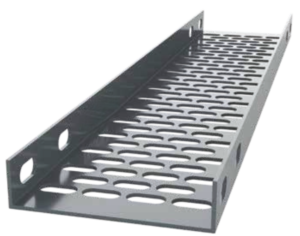
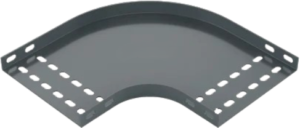
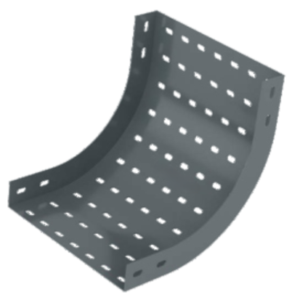
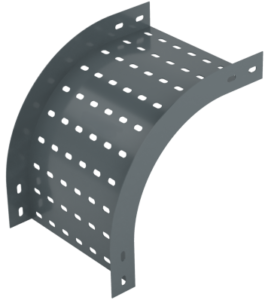
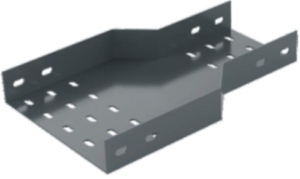
Anubhav Techno Solutions Pvt. Ltd. (ATSPL) is a premier perforated cable tray manufacturer in Surat, engineering continuous-support cable management systems for delicate control, instrumentation, signal, and power cables.
Designed to combine continuous structural bottom support with engineered hole patterns, our perforated cable trays allow optimal air circulation while protecting small-diameter and sensitive conductors from mechanical sagging and external damage.
Key Design Advantages:
To support chemical manufacturing, data centers, textile facilities, and commercial infrastructure across Gujarat, ATSPL manufactures perforated cable trays in four distinct material grades:
Manufactured at our facility in Sachin GIDC, Surat, ATSPL utilizes CNC multi-tool punching presses, automated press-brake bending, and precision deburring to ensure completely smooth hole edges that will not tear or strip cable sheathing.
Technical Specifications:
Control & Instrumentation Panels • Data Centers & IT Infrastructure • Chemical Processing • Food & Pharmaceutical Cleanrooms • Textile & Dyeing Mills • Commercial Real Estate.
Perforated cable trays provide a continuous flat bed with small ventilation holes, making them suitable for small, flexible control, instrumentation, and signal cables. Ladder cable trays feature widely spaced rungs and are designed for heavy high-voltage power cables requiring maximum ventilation and high load capacity.
Yes. ATSPL manufactures solid, ventilated, and peaked snap-on or bolted covers in matching GI, MS, SS, or Aluminum to shield cables from falling debris, dust, and weather exposure.
Yes. We offer custom hole sizes, slotted perforation layouts, non-standard tray widths, side heights, and sheet gauges based on project engineering drawings.
The perforated bottom allows continuous convective airflow around cable bundles, aiding heat dissipation to maintain cable current-carrying efficiency.